| ||||||||||||||||||||||||||||||||||||||||||||||||||||||||||||||||||||||||||||||||||||||||||||||||||||||||||||||||||||||||||||||||||||||||||||||||||||||||||||||||||||||||||
 | ||||||||||||||||||||||||||||||||||||||||||||||||||||||||||||||||||||||||||||||||||||||||||||||||||||||||||||||||||||||||||||||||||||||||||||||||||||||||||||||||||||||||||
 | ||||||||||||||||||||||||||||||||||||||||||||||||||||||||||||||||||||||||||||||||||||||||||||||||||||||||||||||||||||||||||||||||||||||||||||||||||||||||||||||||||||||||||
Wednesday, April 1, 2020
Take it easy tonight.





New story in Health from Time: Wimbledon Canceled for First Time Since World War II Due to Coronavirus Pandemic
Wimbledon was canceled on Wednesday because of the coronavirus pandemic, the first time since World War II that the oldest Grand Slam tennis tournament won’t be played.
The All England Club announced after an emergency meeting that the event it refers to simply as The Championships is being scrapped for 2020.
Wimbledon was scheduled to be played on the club’s grass courts on the outskirts of London from June 29 to July 12.
Instead, the next edition of the tournament will be June 28 to July 11, 2021.
The tournament was first held in 1877 and has been contested every year since, with the exception of two stretches: from 1915-18 because of World War I, and from 1940-45 because of World War II.
It now joins the growing list of sports events scrapped completely in 2020 because of the COVID-19 outbreak.
That includes the Tokyo Olympics — which have been pushed back 12 months —( and the NCAA men’s and women’s college basketball tournaments.
Wimbledon is the first major tennis championship completely wiped out this year because of the coronavirus. The start of the French Open was postponed from late May to late September.
As of now, the U.S. Open is still scheduled to be played in New York from Aug. 31 to Sept. 13.
New story in Health from Time: Hospitals Got $100 Billion in the Stimulus Package. But A Lot of That Could Go Toward Administrative Costs.
Hospitals have spent the past few weeks racing to respond to the growing COVID-19 crisis, supplementing shortages of equipment, calling back retired personnel, and transforming entire hospital wings to care for infected patients. So when Congress included $100 billion in the stimulus package passed last week to help hospitals and other health care providers address the pandemic, it was seen as much-needed assistance.
But that’s not the whole story, health care experts say. Due to the patchwork nature of the U.S. health care system, a huge chunk of those emergency funds likely won’t go to lifesaving care or equipment, but to underwriting the astronomical administrative costs of negotiating a complicated network of private insurance providers and other bureaucratic functions.
Advocates of single-payer government health care, like Medicare for All, say that’s yet another reason to support an overhaul of the U.S. health system. “We have a privatized and fragmented healthcare system and it makes administrative costs high and consumes a huge piece of our total health spending,” says Dr. Steffie Woolhandler, a professor of public health at CUNY’s Hunter College, who supports a single-payer system.
A study co-authored by Woolhandler published in the Annals of Internal Medicine earlier this year found that administrative costs now account for about 34% of U.S. health care expenditures. That’s twice the percentage Canada spends. For hospitals alone, the mean share of expenditures devoted to administrative costs in the U.S. was 26.6%.
Those percentages will likely be similar for this relief funding, Woolhandler says. If they are, that means that of the $100 billion hospital relief funds, hospitals would spend in the neighborhood of $26 billion on administrative overhead.
“All of the things that they need to do to administer in a non-crisis situation and collect money, they’re going to have to do with the bailout funds,” Woolhandler says. “I think the administrative costs for $100 billion dollars delivered in this way are going to be slightly lower than the average administrative costs. So at least by several percentage points. But still, the hospital runs the way it runs.”
The text of the stimulus bill says the money must be spent on health care expenses or lost revenues directly related to COVID-19 that will not otherwise be reimbursed.
Of course, any hospital or health care system must spend on administrative costs to function. A dedicated staff must order supplies, do payroll and keep records. But, Woolhandler notes, U.S. hospital costs are exceptionally high. While the Annals study, which was co-authored by Woolhandler, Dr. David Himmelstein and Terry Campbell, was the first major effort to calculate spending across the whole U.S. health care system in nearly two decades, a 2018 study in JAMA looked at billing costs for different kinds of doctor’s visits. It found that billing and administrative costs made up 25.3% of revenue for emergency department visits. For primary care and surgery visits, a smaller portion of revenue went to billing costs.
The COVID-19 pandemic doesn’t change that underlying reality. Hospitals must still negotiate with insurance companies, attach proper codes to each procedure, and engage in a vast billing bureaucracy. Congress recently made COVID-19 testing ostensibly free with its Families First Coronavirus Response Act, and a growing number of private insurance companies have said they will waive prior authorization requirements and in some cases get rid of cost-sharing for coronavirus-related treatment. But the same is not true for all companies, and given the many ways that Americans pay for health care, there are still plenty of administrative tasks to be done, even for patients without any insurance or whose care is getting reimbursed by the federal government.
“There are just a lot of differences in the kind of policies. And so I think that can end up leading to some back and forth between the providers, consumers and the insurers in terms of getting those claims processed,” says Jodi Liu, a policy researcher who studies health care financing at the RAND Corporation. “That makes things more complicated and typically does add on more cost than it would if it was one uniform system.”
In other countries like Canada or the U.K., which have single-payer systems, Liu notes health care providers are not burdened with the task of determining which patient is covered by which company’s plan, which procedures or treatments are covered under what cost-sharing agreement, and which interventions require prior insurance approval.
“Normally at a hospital, when someone comes in, you take their insurance information, you keep track of every service they use individually, every band-aid, every penicillin shot,” Woolhandler says. If out-of-pocket costs have been waived for some people, or if federal stimulus money is reimbursing a hospital for some of its losses, staff might be able to skip a few steps by not sending a bill to an insurance company. “But all of the other steps involved that contribute to the administrative costs are really baked into the way hospitals run now,” she says.
The stimulus funding also comes with a new round of administrative tasks: reporting requirements. The law says that recipients must “submit reports and maintain documentation” to “ensure compliance with conditions that are imposed” by the bill, and that the Health and Human Services Secretary will determine the form of those reports. That means the federal government will still require hospitals to perform a series of administrative functions, and thus spend time and money, to document the emergency funding.
Woolhandler, who has been a long-time advocate for single-payer health care, said the patchwork nature of the U.S. health care system not only contributes to high administrative costs, but also to the competition that has broken out among hospitals and states for essential equipment such as ventilators and ICU beds amid the pandemic.
“I think that’s a terrible way to run a health care system in good times. Because I think the quality of care actually can go up if people develop best practices in their own hospital and share it with other people,” Woolhandler says. “But it’s a disaster right now with every hospital running out and trying to get their own supply chain of equipment, keep their own hospital staffed, even if the staff are needed across town or across the state line.”
Other advocates for health care reform have also noted the ways that the fragmented U.S. system is buckling under the current pandemic. From the beginning of the coronavirus outbreak, it was difficult for many Americans to get tested for the disease. And even as testing has become somewhat more widely available, millions of Americans still fear facing high bills from services related to testing or treatment.
Dr. Adam Gaffney, an instructor in medicine at Harvard Medical School and president of the advocacy group Physicians for a National Health Program, recently called the American system “atomized chaos” in a piece for The Guardian arguing that a single-payer system could help address both the problems patients see with high costs and the hospitals that are struggling to stay afloat while treating COVID-19.
“Of course single-payer can’t close the door to a novel virus, any more than it can forestall a deadly earthquake or fend off a zombie apocalypse,” Gaffney wrote. “Nonetheless, a national health program with unified financing and governance – basically the opposite of what we have in America today – is a powerful tool in a health crisis.”
New story in Health from Time: ‘Public Message: Utter Confusion.’ U.K. Prime Minister Boris Johnson Under Fire for Low Number of COVID-19 Tests
(LONDON) — When Prime Minister Boris Johnson developed a cough and fever, he got a test for the new coronavirus. Most other Britons won’t be offered one.
Johnson’s Conservative government was under fire Wednesday for failing to keep its promise to increase the amount of testing being done for COVID-19, even as the country saw its biggest rise yet in deaths among people with the virus, to 2,352.
The issue has become an incipient political crisis for Johnson, who has mild symptoms and is working from isolation in the prime minister’s Downing Street apartment.
Richard Horton, editor of medical journal The Lancet, said Britain’s handling of the COVID-19 crisis was “the most serious science policy failure in a generation.”
In a tweet, he noted that England’s deputy chief medical officer said last week that “’there comes a point in a pandemic where that (testing) is not an appropriate intervention.”
“Now (testing is) a priority,” Horton said. “Public message: utter confusion.”
Like some other countries, the U.K. has restricted testing to hospitalized patients, leaving people with milder symptoms unsure whether they have had the virus. Many scientists say wider testing — especially of health care staff — would allow medics who are off work with symptoms to return if they are negative, and would give a better picture of how the virus spreads.
Communities Secretary Robert Jenrick conceded Wednesday that “we do need to go further and we need to do that faster.”
The U.K. initially performed about 5,000 tests a day, but the government promised to increase that number to 10,000 by the end of last week and to 25,000 by mid-April. The target has not been met, with 8,630 tests carried out Monday, the last day for which figures are available.
Critics contrast the U.K. with Germany, which reacted quickly as reports of the new respiratory virus emerged from China at the end of last year. It began producing a test for COVID-19 in January, almost a month before U.K. health authorities produced their own test. Germany now has the capacity to do 500,000 tests a week.
Jenrick said the U.K.’s test tally should hit 15,000 a day “within a couple of days” and 25,000 a day in a couple of weeks. But progress has been agonizingly slow.
The government says testing front-line health care workers is a priority — however only 2,000 have been tested so far, from a National Health Service workforce of more than 1 million.
British officials blame shortages of swabs to take samples and of chemicals known as reagents, which are needed to perform the tests.
“There is a massive demand for raw materials and commercial kits — this is not unique to the U.K. — and many places no longer have stock of essential reagents,” said Stephen Baker, professor of molecular microbiology at the University of Cambridge.
The United States has also struggled to boost its testing capacity. A test produced by the Centers for Disease Control suffered early reliability problems and there were delays in engaging the private sector to ramp up testing capacity. U.S. testing is now growing rapidly, but varies widely from state to state.
Public health experts have estimated the U.S. should be testing between 100,000 and 150,000 patients daily to track and contain the virus. Health and Human Services Secretary Alex Azar said Monday that the U.S. is testing “nearly 100,000 samples per day” and had now tested more than 1 million samples for the coronavirus. It wasn’t clear if that figure represented actual patients or samples processed.
British officials defend their record at developing and deploying a test for COVID-19. They also say that while too little testing is a weakness, so is too much, because testing vast numbers of healthy people would be wasteful.
That point was echoed by World Health Organization emergencies chief Dr. Mike Ryan, who said a ratio of 10 negative tests to one positive was “a general benchmark of a system that’s doing enough testing to pick up all cases.”
In Britain, about 20% of tests have been positive, suggesting a substantial number of cases is being missed.
Critics of the British government say the testing debacle is typical of its sluggish and complacent response to the pandemic.
The U.K. was slower than many European countries to implement measures such as closing schools, bars and restaurants and telling people to stay home to impede transmission of the virus. A nationwide lock-down was imposed just over a week ago.
After a decade of public spending cuts by Conservative governments, the National Health Service and other public health bodies have very little spare capacity.
Jonathan Ashworth, health spokesman for the main opposition Labour Party, said health workers “are rightly asking if we’ve left it too late to buy the kits and chemicals we need, or whether our lab capacity is too overstretched after years of tight budgets.”
“NHS staff and carers on the front line who need these tests urgently deserve an immediate explanation from the government as to what’s going on,” he said.
__
AP Medical Writer Maria Cheng in London and AP Health Writer Matthew Perrone in Washington contributed to this story.
New story in Health from Time: DIY Alternatives For When Stores Are Out of Coronavirus-Fighting Products
The cyclone of panic buying that accompanied the arrival of COVID-19 continues to leave store shelves swept clear of all manner of basics. Disinfectant wipes? Gone. Toilet paper? Scarce. Hand sanitizer? Please. But in the case of most of these, there are substitutes you can buy or even do-it-yourself alternatives you can make. Here are some handy workarounds in a time of shortage.
DIY hand sanitizer
This was the index species in the current wave of shelf extinctions, with usually plentiful supplies of Purell gel and similar products vanishing fast. Even without sanitizers, epidemiologists stress there are three exceedingly reliable alternatives measures that work just as well: Wash your hands with soap and water; wash your hands with soap and water; and wash your hands with soap and water. Really. Washing and rinsing with soap removes the virus mechanically—but also kills it, as the so-called lipophilic end of the soap molecule, which is attracted to fats, attaches to and damages the lipid layer of SARS-CoV-2, the virus that causes COVID-19. Pricey soap works, the cheap stuff works, and don’t hold out for antibacterial brands because COVID-19 isn’t caused by a bacterium in the first place.
“Any soap will work for this virus,” says Dr. Koushik Kasanagottu, an internal medicine resident at Johns Hopkins Bayview in Baltimore.
The key, of course, is washing thoroughly and for a sufficient time. “Most of the data that’s been generated looking at enveloped viruses [like SARS-CoV-2], involves observed hand-washing for 30 seconds,” says Dr. Carl Fichtenbaum, professor of clinical medicine at the University of Cincinnati’s division of infectious diseases.
But what if you’re nowhere near a sink? The good news is it’s not impossible or even terribly hard to mix up some on your own hand sanitizer. Commercial variants are little more than a whole lot of ordinary alcohol and a generous dollop of some kind of emollient to keep the skin from drying out. The ratio is typically 60% to 70% alcohol, and 30% to 40% moisturizer, something like aloe or glycerine. Simply stir the two together vigorously and thoroughly and funnel them into a pump bottle.
That works for most people, but not all. “There is a portion of our population that has eczema and for them a lower content of alcohol should be used—perhaps 50-50” says Kasanagottu. “It might not be as effective, but it’s better than nothing.”
DIY sanitizing wipes
The best alternatives for sanitizing wipes use bleach as a base. Bleach is a bear against germs, though both Fichtenbaum and Kasanagottu stress that it needs to be highly diluted, lest the fumes do damage to the lungs and the chemical itself does damage to surfaces. A ratio of five tablespoons of pure bleach to a gallon of water (or four teaspoons to a quart) is considered sufficient. A paper towel dipped in the solution can take the place of the wipe. The key is to make sure that once you swab down a surface you leave the solution in place for a long enough time.
“You want a contact time of at least one minute,” says Kasanagottu. “Let it air dry.”
Hydrogen peroxide can also be an effective sanitizer. According to the CDC, a solution of 3% hydrogen peroxide mixed with 97% water is effective against rhinovirus, though the exposure time has to be six to eight minutes. Rhinovirus isn’t SARS-CoV-2, but a hydrogen peroxide solution can kill it all the same. Indeed, the Environmental Protection Agency puts hydrogen peroxide high on its list of recommended disinfectants for SARS-CoV-2 and cites particular peroxide-based product names as well.
DIY disinfectant sprays
If you’ve become brand-loyal to Clorox or Lysol or one of the other big names, it’s time to experiment. The EPA lists an astonishing 351 products that can be effective in killing the COVID-19 virus. Before you buy, check the label of the bottle for an EPA registration number, and make sure it’s listed on the agency’s website.
For bleach-based products, “Check for both the EPA number and the expiration date,” warns Kasanagottu. “I’ve been looking at reports and the WHO [World Health Organization] stresses that expired bleach is less effective.”
DIY face masks
There is something of a herd mentality to mask-wearing: the greater the number of people who do it, the greater the number who think they should do so too. But the science says otherwise. By now, most people know that N95 masks, the form fitting kind that offer the best protection, are in extremely short supply in the U.S. and elsewhere and are desperately needed by health care workers. For the rest of us, a surgical mask is recommended principally for people who already have the COVID-19 virus, since it can help prevent spreading the virus in micro-droplets. A surgical mask may also provide some marginal protection against infection, especially for some highly vulnerable people, such as the elderly, the immunosuppressed and pregnant women, says Kasanagottu.
With masks in short supply, some people are making their own—everything from multiple layers of carefully sewn cotton with elastic loops for the ears, to simple bandanas. Their effectiveness is limited by their porosity—the virus is vanishingly tiny—and by the lack of the tight fit provided by an N95 mask. For people already infected, a homemade mask is an imperfect choice at best.
“If I have the virus and I wear a homemade mask, the benefit is that it will stop some of the [virus-containing] droplets from going further around the room,” says Fichtenbaum. “It is not at all clear that the aerosol generated by coughing or sneezing is going to be stopped, especially if the particles are less than 5 microns.” That’s just 1/200th of a millimeter, and an expelled droplet (from a cough or sneeze) can be easily that small.
DIY toilet paper
There are social, psychological and even evolutionary reasons behind our panicky tendency to overstock toilet paper when a blizzard or hurricane or pandemic hits, but that doesn’t mean the overreaction makes sense. In an emergency, there are a lot of common household options between Charmin Ultra Soft on the one hand and the sports pages on the other: tissues, paper napkins, and paper towels, to name a few. Tough times call for tough measures, people.
Costco changing membership policy to further control how many people are in the warehouse at one time
Costco changing membership policy to further control how many people are in the warehouse at one time
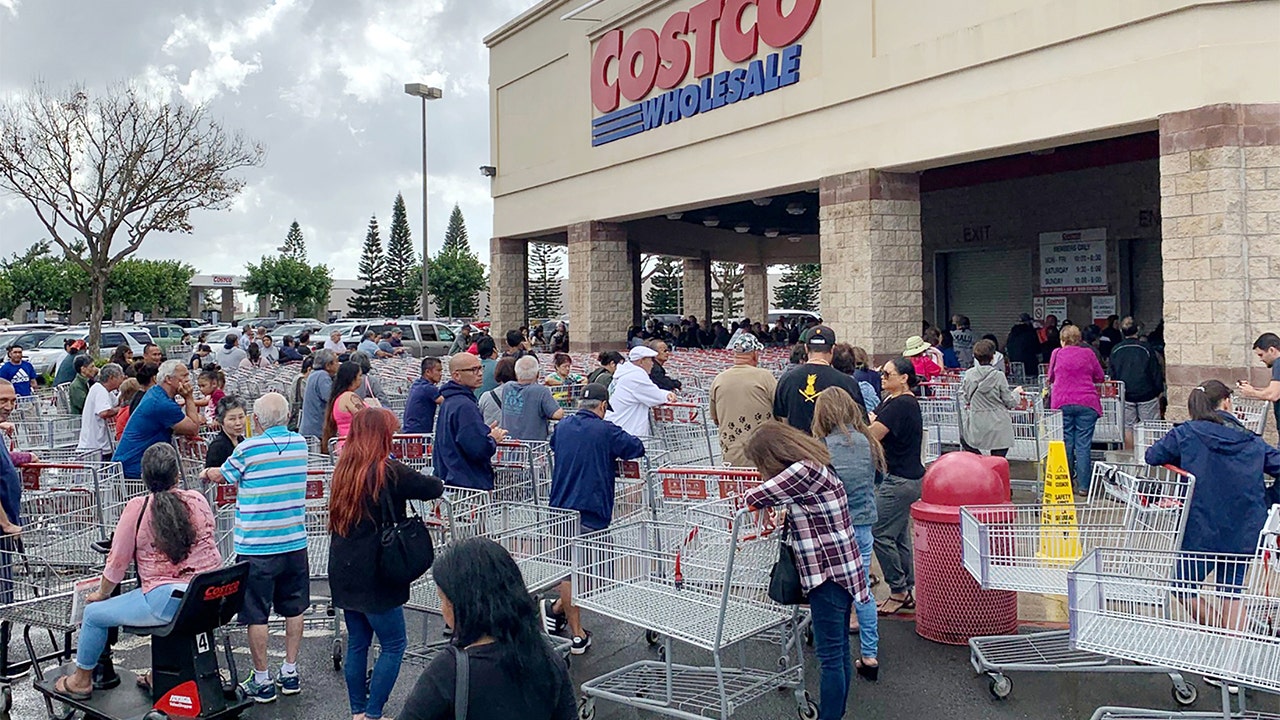
Costco is once again temporarily changing its policy in response to the global coronavirus pandemic.
New story in Health from Time: China Says It’s Beating Coronavirus. But Can We Believe Its Numbers?
If you believe the Chinese authorities, the country’s battle against the novel coronavirus is all but won. But that claim is clouded by a fog of skewed data, political imperatives—and unreported cases and possibly deaths.
After several days of trumpeting just a handful of new COVID-19 cases, on Wednesday China once again switched up exactly what that means, and included asymptomatic infections of the coronavirus in its official statistics for the first time. The move follows criticism from health experts and the U.S. and other governments that it risked a resurgence of the deadly pandemic by downplaying the number of cases within its borders.
It was the eighth different definition of what constitutes a COVID-19 infection in China’s official statistics since the outbreak began in late December, with critics arguing that the lack of clarity has made it harder for other nations to adequately understand and prepare for the disease.
Speaking following a virtual meeting of the G7 March 25, U.S. Secretary of State Mike Pompeo slammed the “intentional disinformation campaign that China has been and continues to be engaged in” regarding COVID-19. Pompeo had earlier told CNBC that, “The information that we got at the front end of this thing wasn’t perfect and has led us now to a place where much of the challenge we face today has put us behind the curve.”
It’s not normal practice for nations to routinely exclude positive COVID-19 tests on basis of symptoms, Yanzhong Huang at the Council of Foreign Relations told Voice of America, not least because multiple studies indicate asymptomatic carriers are responsible for a significant proportion of infections.
And despite the rollback of containment measures across China as daily new COVID-19 cases drop to just double digits, nearly all imported from abroad, the change in criteria raises doubts about whether the virus is truly defeated in the country where it initially emerged.
Still, the government says it is taking action to ensure its numbers are accurate. a meeting on Monday of China’s top committee to combat COVID-19, chaired by Premier Li Keqiang, “reiterated the imperative for open and transpiration information disclosure, and warned against any cover-up or under-reporting,” according to an official release.
As ever for Beijing though, political considerations appear paramount. After China’s number of total infections was surpassed by the U.S. and other nations, the country was able to leverage its apparent success as a sign its harsh internal measures had bought others time, while assuaging anger at its initial bungling and cover-up of the outbreak that has so far claimed more than 42,000 lives around the globe. (Research by the University of Southampton suggests 95% of infections could have been avoided if China had acted three weeks earlier.)
Mainland China officially stands at 82,294 infections with 3,310 deaths. But it also had 1,441 asymptomatic COVID-19 patients under observation as of Monday, according to the National Health Commission. Hong Kong’s South China Morning Post newspaper reported March 22 that confidential documents indicate there were a total of 42,000 asymptomatic cases by the end of February that were excluded from official tallies.
Including those cases would mean China leapfrogs Italy and Spain back into second place overall for COVID-19 infections, though still behind the U.S., which had some 190,000 cases as of April 1.
But it’s just one of many concerns about official COVID-19 statistics in China. One study by six researchers from the University of Hong Kong found that 232,000 people in China may have been infected by Feb. 20, compared to the approximately 75,000 cases the country had officially reported on that date.
The study, which was published March 27 and has not been peer reviewed, examined what the case numbers would have looked like if the same case definition—a set of standard criteria for classifying whether a person has a particular disease — had been used throughout the epidemic.
According to the study, China’s National Health Commission issued seven versions of the case definition from January to early March as health experts learned more about the virus. (Making the most recent update to include asymptomatic cases the eighth.)
Ben Cowling, a professor of infectious disease epidemiology at the University of Hong Kong and one of the study’s authors, tells TIME that the case definition used in China was initially very restrictive, including only severely ill patients. It was gradually broadened to allow for the confirmation of milder cases, he says.
This underreporting hindered the world’s ability to understand to the severity of the outbreak in Wuhan, which has been under strict lockdown since Jan. 23 after the deadly novel coronavirus was traced to a seafood market in the city of 11 million.
“In Wuhan, in the early stages, testing was quite restricted to people with severe illness,” Cowling says. “That was one of the early limitations or missteps in the response was to focus on severe cases, not recognizing that there were a lot of other mild cases as well.”
TIME has spoken with many sickened Wuhan residents and relatives of presumed COVID-19 victims who were never included on official tallies during the outbreak’s peak. There are also countless reports of people collapsing in the street and bodies laid out outside apartment buildings. But only those who died after first being diagnosed with COVID-19 are included in official statistics.
One Wuhan resident who asked to remain anonymous for fear of official reprisals told TIME that her sick mother was refused admittance to a hospital during the Lunar New Year holiday in January and was just prescribed medicine and sent home without testing.
“I was really angry and scared at that moment,” she says. “I heard many reports of people who couldn’t check in hospitals and died at home; one even happened in my neighborhood. But the official report said there were only a few hundreds of death during that time. I don’t believe it, I think the death were 10 times more than reported.”
According to analysis by Radio Free Asia, the official death toll in Wuhan of 2,535 may have been underreported by almost a factor of 20. The news organization cites reports that seven funeral homes in the city were each handing out 500 funeral urns with the remains of suspected COVID-19 patients daily for 12 days from March 23 to the traditional tomb-sweeping festival of April 5, which would indicate up to 42,000 urns in total. Other estimates based on the capacity of funeral home furnaces puts the figure at 46,800. None of the funeral homes in Wuhan contacted by TIME were prepared to comment.
The lack of transparency is especially concerning as Hubei province is already loosening travel restrictions, with Wuhan’s lockdown due to end April 8, raising fears about a possible resurgence in infections.
Even as China announced with great fanfare March 19 that no new COVID-19 cases were reported inside the country for the first time since the outbreak began, at least one asymptomatic case was reported in Wuhan but excluded from statistics, according to Voice of America.
“There’s still ongoing concerns about the level of transparency around the data from China,” says Adam Kamradt-Scott, associate professor specializing in global health security at the University of Sydney. “Though the broader issues and what’s become increasingly apparent is that we’ve had a number of countries that have not put measures in place quickly enough.”
Reporting accurate numbers is hard even for countries historically invested in transparency, though. Many countries have struggled with adequate testing, which skews the official numbers of those infected. For one, the fatality rate in Spain and Italy stands much higher than average—at 9% and 12% respectively, compared to less than 2% in South Korea—not because they host a deadlier strain of the virus but because mild cases haven’t been tested, says Mario Esteban, a senior analyst specializing in E.U.-East Asia relations at the Elcano Royal Institute in Madrid.
Still, the worry, he says, is continued doubts over China’ numbers given its role as source of the pandemic even as it attempts to ramp up “mask diplomacy” by sending supplies to stricken countries overseas. “There’s a lot of concern about how this opacity inside China prevented greater international coordination and cooperation,” Esteban tells TIME. “Nobody believes China’s numbers.”
And not just outside China. On Tuesday, respected Beijing gynecologist Dr. Gong Xiaoming slammed as “hardly convincing” claims by China’s Ambassador to France that official statistics were accurate. “Many people [died] who were not hospitalized in time and so were not calculated in the total data,” Gong posted to his 4.7 million followers on China’s Twitter-like microblog Weibo. “The more honest you are, the more trust you gain.”
Please send tips, leads, and stories from the frontlines to virus@time.com.
New story in Health from Time: 51 Residents at a California Nursing Home Test Positive for Coronavirus
(LOS ANGELES) — A Southern California nursing home has been hit hard by the coronavirus, with more than 50 residents infected — a troubling development amid cautious optimism that cases in the state may peak more slowly than expected.
Cedar Mountain Post Acute Rehabilitation in Yucaipa has been told to assume that all of its patients have the COVID-19 virus, San Bernardino County Department of Public Health Director Trudy Raymundo said. As of Tuesday, 51 residents and six staff members had tested positive. Two patients have died, including an 82-year-old woman who had existing health problems.
The nursing home east of Los Angeles isn’t accepting new residents and the facility has been closed to visitors under Gov. Gavin Newsom’s two-week-old stay-at-home order, Raymundo said.
The announcement came as Newsom said extraordinary efforts to keep people home have bought the time needed to prepare for an expected peak surge of coronavirus cases in coming weeks.
Newsom said the slower-than-forecast increase in cases means the peak is now likely to occur in May, though he was reluctant to say whether that means the impact on the state won’t be nearly as dire as initially feared.
Two weeks ago, Newsom said more than half the state’s 40 million people could be infected under a worst-case scenario.
“To be truthful and candid, the current modeling is on the lower end of our projection as I talk to you today,” Newsom said Tuesday. “Very easily tomorrow I could say something differently, and that’s why one just has to be very cautious about this.”
Under Newsom’s direction, the state has been scrambling to add 50,000 hospital beds to its current 75,000 to ensure enough space for all potential patients during a peak.
On Tuesday, there were more than 8,200 cases and at least 173 deaths reported in California, according to data kept by Johns Hopkins University. Michigan, which has 30 million fewer residents, had about 7,600 cases and at least 259 deaths.
Health officials have warned that as testing ramps up, the number of cases will grow, in some instances very quickly.
Many have credited the state’s early action to issue stay-at-home orders — first in the San Francisco Bay Area two weeks ago and then a few days later in Los Angeles and the rest of the state — with successfully slowing the rise of cases.
Many retail businesses and social venues such as theme parks are closed, restaurants are only offering take out or delivery, and most school campuses have been closed for weeks.
On Tuesday, San Francisco and six surrounding counties extended shelter-in-place orders until May 3 and added new restrictions, including closing playgrounds, dog parks, public picnic areas, golf courses, tennis and basketball courts, pools, and rock-climbing walls.
Also on Tuesday, State Superintendent of Public Instruction Tony Thurmond warned that he expects schools to remain closed into summer and suggested that districts plan to provide other forms of learning for the rest of the academic year.
Millions of youngsters are getting “distance learning” through online teaching or other methods, such as watching special public broadcasting programs. However, the Los Angeles Unified School District hasn’t reached all its 600,000 students.
Some 15,000 high schoolers haven’t taken part in any online learning and another 26,000 who are participating haven’t checked in on a daily basis since campuses closed on March 16, Superintendent Austin Beutner said Monday.
While social distancing precautions seem to be generally obeyed by California’s population, there are concerns that the virus will rampage through enclosed, crowded facilities such as nursing homes and prisons, and among the state’s estimated 150,000 homeless people, who are hard to test or quarantine.
For most people, the coronavirus causes mild or moderate symptoms, such as fever and cough, that clear up in two to three weeks. For some, especially older adults and people with existing health problems, it can cause more severe illness, including pneumonia and death.
The U.S. Centers for Disease Control and Prevention has said that nursing home populations are at the highest risk of being affected by COVID-19 given the “congregate nature” of the facilities and the fact that many residents have chronic medical conditions.
Eight residents of a New Jersey nursing home have died and all 94 residents of another New Jersey home were moved to another facility after two dozen tested positive for the coronavirus. In Washington state, some 35 residents of a single home near Seattle have died.
U.S. Rep. Paul Cook, who represents the area that includes Yucaipa, said he and others had told themselves: “’God almighty, I hope that it never breaks out in a convalescent home,’ and this is what has happened.”
“It could be serious today and even worse tomorrow if we don’t do our jobs,” he said. “We’ve got to make sure that this does not spread.”
Dr. Deborah Birx, coordinator of the White House coronavirus task force, said actions by California and Washington state to close schools, encourage people to work from home and only go out for essential needs had given her hope the virus could be controlled through social distancing measures.
Birx spoke Tuesday as grim new projections of 100,000 to 240,000 deaths nationwide were announced and President Donald Trump called on Americans to heed his safety guidelines, which are weaker than those in place in California and several other states.
New story in Health from Time: Saudi Officials Urge Muslims to Postpone the Hajj Until Coronavirus Pandemic Is Under Control
(DUBAI, United Arab Emirates) — A senior Saudi official urged more than 1 million Muslims intending to perform the hajj to delay making plans this year in comments suggesting the pilgrimage could be cancelled due to the new coronavirus pandemic.
In February, the kingdom took the extraordinary decision to close off the holy cities of Mecca and Medina to foreigners over the virus, a step which wasn’t taken even during the 1918 flu epidemic that killed tens of millions worldwide.
Restrictions have tightened in the kingdom as it grapples with over 1,500 confirmed cases of the new virus. The kingdom has reported 10 deaths so far. The Middle East has more than 71,000 confirmed cases of the virus, most of those in Iran, and over 3,300 deaths.
“The kingdom of Saudi Arabia is prepared to secure the safety of all Muslims and nationals,” Saudi Hajj and Umrah Minister Muhammad Saleh bin Taher Banten told state television. “That’s why we have requested from all Muslims around the world to hold onto signing any agreements (with tour operators) until we have a clear vision.”
He spoke as the sound of crickets echoed in the background late Tuesday night at the Grand Mosque of Mecca, which normally draws thousands of worshippers throughout the day and night, circling it and praying toward it.
Saudi Arabia has barred people from entering or exiting three major cities, including Mecca and Medina, and imposed a nighttime curfew across the country. Like other countries around the world and in the Middle East, the kingdom also suspended all inbound and outbound commercial flights.
Each year, up to 2 million Muslims perform the hajj, a physically demanding and often costly pilgrimage that draws the faithful from around the world. The hajj, required of all able-bodied Muslims to perform once in their lifetime, is seen as a chance to wipe clean past sins and bring about greater humility and unity among Muslims.
Standing in Mecca in front of the cube-shaped Kaaba that Muslims pray toward five times daily, Banten also said the kingdom was already providing care for 1,200 pilgrims stuck in the holy city due to global travel restrictions. A number of them are being quarantined in hotels in Mecca, he said.
The state-run Saudi Press Agency cited Banten’s remarks in stories early Wednesday, saying that Muslims should “be patient” in making their plans for the hajj. The pilgrimage was expected to begin in late July this year.
The kingdom’s Al Saud ruling family stakes its legitimacy in this oil-rich nation on overseeing and protecting the hajj sites. Saudi King Salman, whose country is presiding over the Group of 20 nations this year, has said his government will cover the costs treatment of all coronavirus patients in the country, including visitors, foreign residents and those residing illegally.
Meanwhile, Iranian President Hassan Rouhani again slammed the U.S. sanctions on his country Wednesday. He said now would have been “the best time” for the Trump administration to ease sanctions on Iran, reeling from the region’s worst outbreaks of the virus.
“It was the best historical opportunity for America,” Rouhani said in remarks at the weekly Cabinet meeting. “They (the U.S.) could have apologized. This was a human issue and no one would criticize them for backing off,”
President Donald Trump withdrew the U.S. from Iran’s 2015 nuclear agreement with world powers and reimposed sweeping sanctions. The U.S. has offered humanitarian aid to Iran but authorities in Tehran have refused.
Iran has been urging the international community to lift sanctions, and is seeking a $5 billion loan from the International Monetary Fund for the first time in decades.
Burger King France gives instructions for making a Whopper using store-bought ingredients
Burger King France gives instructions for making a Whopper using store-bought ingredients
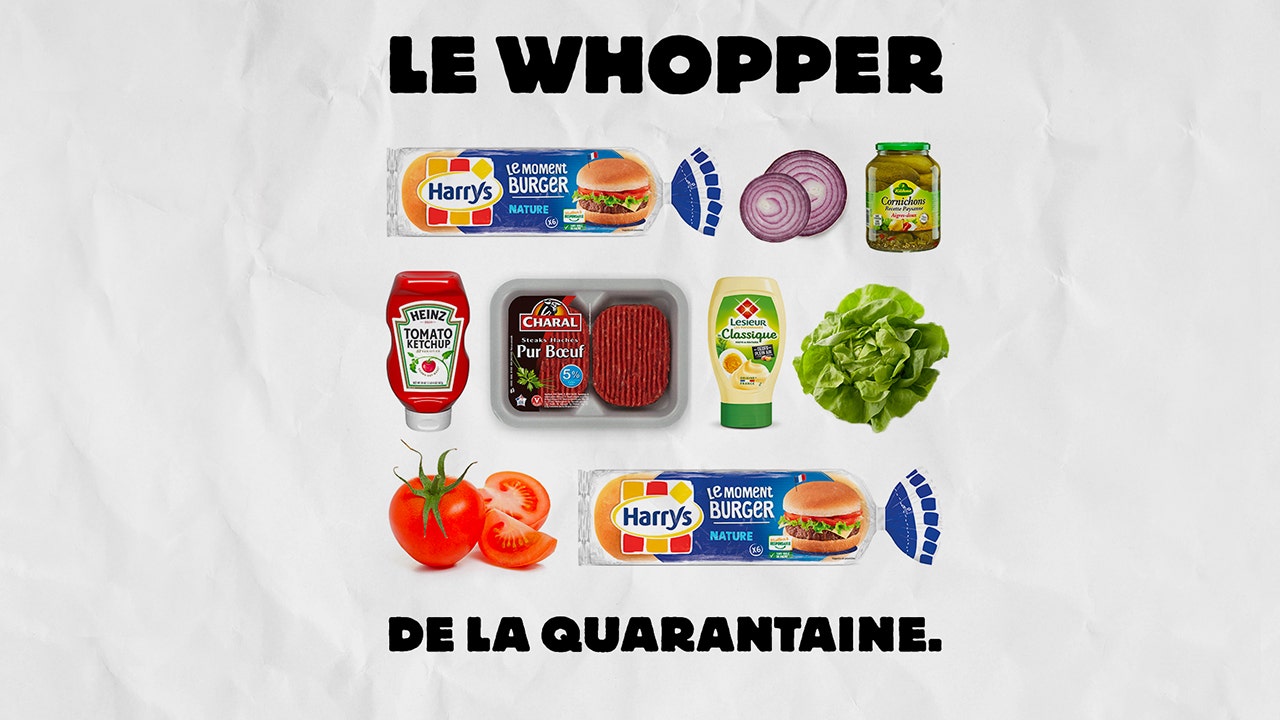
Burger King France has spilled its royal secrets, revealing how you can get that same Whopper taste while self-isolating.
Tuesday, March 31, 2020
New story in Health from Time: Inside Trump’s Coronavirus Theatrics on War Powers, Ventilators and GM
On Friday, Mar. 27, President Donald Trump took what appeared to be bold, decisive action in the fight against the new coronavirus. Reaching for wartime powers under the Defense Production Act, Trump ordered the federal government to “use any and all authority” to force auto giant General Motors to produce ventilators, the life-saving medical devices desperately needed by patients and hospitals struggling to survive the fast-spreading COVID-19 respiratory illness. For good measure, Trump tweeted, “General Motors MUST immediately open their stupidly abandoned Lordstown plant in Ohio, or some other plant, and START MAKING VENTILATORS, NOW!!!!!!”
But if Trump’s Friday performance conveyed urgency and action, four days later, neither is anywhere in evidence. Despite the tough talk and the invocation of presidential powers, Trump and his team by midday on Tuesday had yet to formally file a single order for a GM-made ventilator. While negotiations were ongoing, they had set no mandatory timeline for delivery of the machines, or even suggested a voluntary one. And they had not informed GM of what prices the federal government will pay for the machines under Trump’s executive order. For its part, GM has continued following the plan to produce ventilators that it had discussed with the White House for weeks prior to Trump’s order, a plan that was already well underway when he issued it, according to documents reviewed by TIME.
The GM episode is just the latest in what has become a common Trump-led scene during the pandemic’s spread. As known U.S. cases skyrocketed from 98 to 177,300 over the last four weeks, Trump has made vocal public shows of action that in several cases have yielded few real results. On Mar. 13, he declared Google was building a website to help people find local coronavirus testing sites. Thus far, it has ended up being little more than a bare-bones, aggregational site with a series of links. That same day, he promised big box retailers—Walgreens, Walmart and CVS—would roll out drive-thru testing sites in their parking lots, a notion that also hasn’t fully materialized.
Sign up for our daily coronavirus newsletter by clicking on this link, and please send any tips, leads, and stories to virus@time.com.
It’s not unusual for a president to use his position to project optimism and progress at times of crisis. FDR famously declared in 1932, during the depths of the Great Depression, that America demanded “bold, persistent experimentation” and that if a first effort failed to “admit it frankly and try another.” Trump aides claim that his efforts are spurring action and setting a positive tone at the top. But Republican and Democratic critics say Trump’s approach appears to be less focused on solving the life and death problems that COVID-19 are imposing on Americans, than on the political challenges the disease is presenting to him.
The GM case in particular brought together several political vulnerabilities for Trump. First, it was taking place in Michigan, a state he barely won in 2016, where Republicans fared poorly in the 2018 mid-terms and where Trump is currently trailing Joe Biden by 3 or more percentage points in several polls. More broadly, Trump’s order came as he was under repeated criticism for not taking more action to help states in desperate need of assistance. “They were getting a lot of pressure,” says Michigan Democratic Rep. Elissa Slotkin, a former Defense Department and CIA official who sponsored bipartisan legislation to require the president to implement the DPA to speed the production and distribution of supplies.
As Trump continues to project action and accomplishment, COVID-19 cases continue to spike and so does the urgency of demand from mayors, governors and leaders around the world for ventilators. The coronavirus pandemic has killed more than 41,650 people across the globe, including more than 3,500 Americans. The sickest of those infected have severe inflammation in their lungs, which stiffens them, and makes it impossible to breathe without help from a ventilator. Some of these victims need the device for weeks at a time. Hospital staff say they are concerned about shortages of specialized equipment. If the system swells over capacity, doctors and nurses worry they may ultimately have to ration health care and decide who lives and who dies. Trump’s medical advisors said Monday that even if everything goes perfectly the number of deaths in America could hit 240,000.
Some at GM say it is unfair for the President to make them the bad guys. “It felt like we were getting punched in the gut,” says a long-time GM employee, who wasn’t authorized to speak publicly on the matter. “We did everything in our power to transition from building Tahoes to building ventilators without any guarantee of a federal contract.”
In any case, the company’s officials say, they’re not waiting for direction from the federal government or anyone else. GM forged a deal with Seattle-area ventilator manufacturer Ventec Life Systems and already has begun retooling a factory to build thousands of them beginning next month. “We’re not waiting around for anyone to dictate what number of ventilators need to be made,” says Chris Brooks, Ventec’s chief strategy officer. “Our north star has always been to make as many ventilators as possible, as quickly as possible, to arm front-line medical professionals with the tools they need to save lives.”
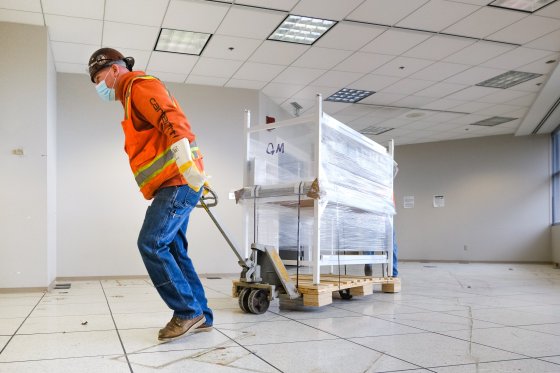
GM’s strategy to build ventilators began as the company was facing its own coronavirus crisis. Like other companies around the country, it was projecting dramatic contraction in demand for its cars as unemployment spiked and spending plummeted nationwide. At the same time, it needed to temporarily close plants to prevent the spread of the virus. On March 17, ten days before Trump’s big announcement, and the day before GM announced it would shutter all of its North American factories due to coronavirus, GM CEO Mary Barra called White House economic adviser Larry Kudlow to discuss converting factory space for ventilator production.
Kudlow and the White House turned to a newly formed organization of business leaders, called StopTheSpread.org, for help. The group is led by the former American Express CEO Kenneth Chenault and Rachel Carlson, founder of the online education firm Guild Education, who volunteered to help the Trump Administration in harnessing private industry. In exploratory phone calls with GM, the group discovered what the automaker needed was a medical device-making partner with a reputable product.
StopTheSpread.org matched them up with Ventec, maker of a toaster-sized device known by its acronym, VOCSN (for ventilator, oxygen, cough, suction and nebulizer). On Mar. 18, the two companies held initial phone calls to discuss what could be done. The next day, GM chartered a late-night flight and four engineers, including Phil Kienle, manufacturing chief for North America, flew from Detroit to Seattle for face-to-face talks.
The GM team spent the next three days at Ventec’s headquarters in Bothell, Wash. examining machines that breathe life into immobilized people who can’t do it on their own. They pored over blueprints illustrating where each of the device’s 700 parts come together largely by hand. Images of the parts were handed to a GM purchasing agent see if suppliers could replicate the handiwork. “We sourced literally hundreds of parts and components in just over a week, which is lighting speed, and we will begin production by mid-April,” says Gerald Johnson, GM executive vice president of global manufacturing. “From there, production will scale up to 10,000 or more per month very quickly.”
Next up were workers. GM called 1,000 workers to see if they were willing to come to work for the company on ventilators. Greg Wohlford, chairman of United Auto Workers Local 292, which represents the shuttered GM plant in Kokomo, Ind., told the Kokomo Tribune he was just waiting to hear about the training details. “It’s going to happen, we’re just trying to work out all the details,” he said. “But everybody is thrilled. Everyone is really excited.” New manufacturing space was located in a 2.6 million square foot facility with clean rooms where small electronic components for cars are manufactured. Construction workers began tearing up carpet and knocking down walls to make way for additional workstations. Cameras were installed to document the progress.
All told, it took less than a week for GM to forge a partnership with Ventec, according to internal communications, travel logs and interviews with both companies’ officials. The companies produced a full set of manufacturing plans that leveraged union labor, industrial buying power and a worldwide chain of 700 suppliers. Ultimately, the companies claimed they would be able to produce up to 21,000 ventilators a month, if needed.
On Mar. 23, GM and Ventec presented the Federal Emergency Management Agency with the strategy. The companies provided the administration with an itemized list that laid out how many ventilators could be produced, how quickly and at what cost, depending on the options the federal government selected, according to two officials involved in the contracting process.
And then they waited to hear back.
Four days later, they got their response. First, at 11:16 a.m. on March 27, Trump issued a series of tweets blasting GM and Barra. Then, later, at the White House, he elaborated. “We don’t want prices to be double, triple what they should be,” he told reporters. “So General Motors, we’ll see what happens, but now they’re talking. But they weren’t talking the right way at the beginning, and that was not right to the country.” GM pushed back in a public statement that said the company’s commitment to the Ventec ventilator project “has never wavered” and that “GM is contributing its resources at cost.” Officials insisted nothing had changed in their schedule.
In the days leading up to Trump’s comments, governors and lawmakers from the hardest-hit states pleaded with him to use the DPA, a little-known Cold War-era law that enables the president to force businesses to accept and prioritize government contracts during natural disasters, terrorist attacks and other emergencies. Dwindling supplies of respirator masks, gowns, gloves and other basic protective equipment are pushing the nation’s front-line medical workers toward a breaking point.
Politicians from both parties were convinced that using the statute could prevent counterproductive bidding wars that were breaking out across the country, as states competed with each other to acquire the same medical supplies from suppliers. New York Governor Andrew Cuomo said ventilators on the market now cost more than $50,000, which represents a 150% increase from the $20,000 when his state first tried to purchase them.
Trump has insisted that invoking the DPA was government overreach and that companies were stepping up on their own. But perceptions of a weak federal response to the growing crisis is seen as a political liability to Trump in key election states, including Ohio and Michigan. When on Mar. 26, for example, Michigan Governor Gretchen Whitmer, a Democrat, publicly said her state wasn’t getting the medical equipment it needed, Trump responded on Twitter that she was “way in over her head” and that she “doesn’t have a clue.”
The administration says Trump’s Mar. 27 flare-up had nothing to do with politics. By invoking the DPA, the president compelled GM to “to accept, perform, and prioritize contracts or orders for the number of ventilators,” according the executive order. Peter Navarro, Trump’s Trade Adviser and Policy Coordinator for the DPA, told TIME in a statement that the GM action aimed to jumpstart work on ventilators. “Prior to the DPA order being signed, the GM/Ventec venture was sputtering. Since the DPA order was signed, GM has moved into high gear. That’s the poster child of an effective DPA action,” Navarro said.
Navarro also says the President’s declaration was designed to spur competition between different automakers turning to produce ventilators. Ford is working with GE Healthcare to increase GE’s production of its own advanced ventilators, although manufacturing details remain unclear. Ford announced Monday it plans to make as many as 50,000 smaller ventilators, which are licensed by GE, within 100 days at a plant in Ypsilanti, Mich. Now that GM has been pushed publicly by Trump, Navarro suggests, there will be urgency to sprint to the market first. “Now let’s see which venture rolls the first hundred ventilators off their new assembly lines—Ford/GE or GM/Ventec. We expect that within the next 30 days, American lives are at stake, and GM’s lesson from this should be you can’t get to the finish line until you first get to the starting line. Now, a very real race is on.”
Whatever the logic behind Trump’s public statements about GM and his use of emergency powers, the company maintains that Trump’s tough talk resulted in no change from the Mar. 23 plan they presented to his government. Two days after his Mar. 27 statements, on Sunday, Trump was asked at the White House how negotiations GM were going since he invoked DPA two days earlier. Although nothing had changed, he responded that the automaker was now doing a “fantastic job.”
Subscribe to:
Posts (Atom)
-
The Top 10 Health Benefits of Sweet Potato or Kamote Top 10 Health Benefits of Sweet Potato or Kamote – Not a lot of people know the benef...
-
 I just love Fried Lumpia. The gastronomic sensation of having crispy fried lumpia dipped in vinegar garlic sauce always makes me salivat...
